
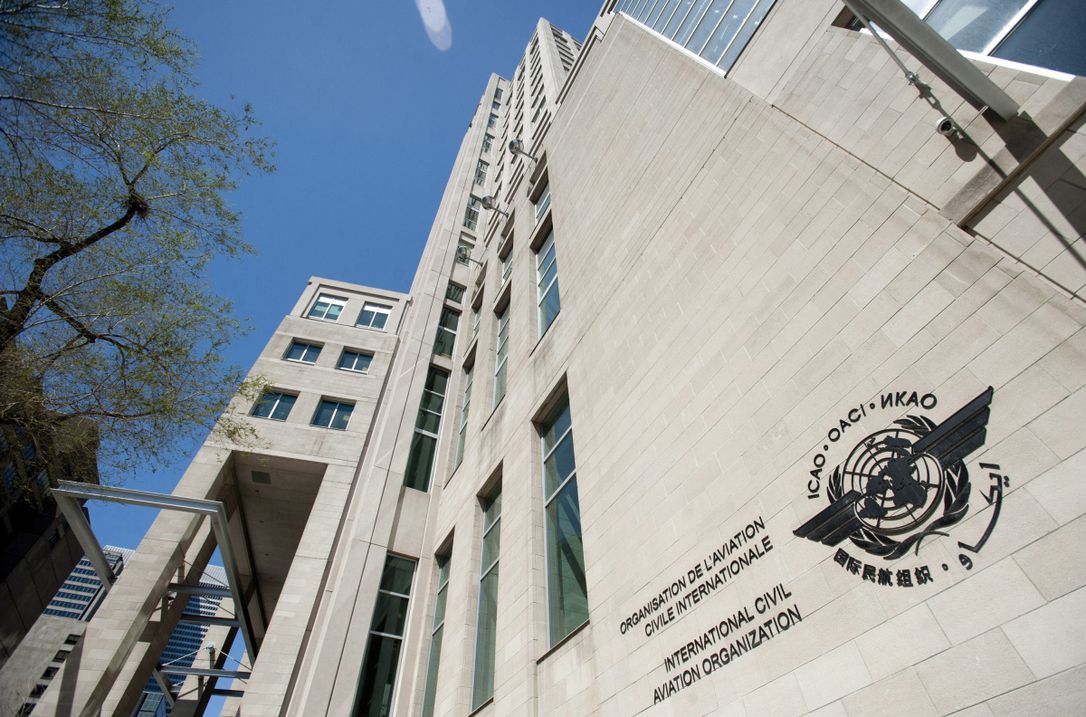
Source: ICAO
Significant mental stress experienced by aviation personnel operating in or near conflict zones will be reduced thanks to urgent additional guidance from the International Civil Aviation Organization (ICAO), aimed at mitigating risk and maintaining the safety of aviation operations in these areas. This guidance, which was issued today, is in view of the current conflict situations in various regions of the world.
Mental health impacts arising from conflict zone operations are foreseeable, cumulative, and safety-critical. Personnel across all aviation functions — including flight crews, air traffic controllers, cabin crews, maintenance teams, and ground staff — may experience elevated stress, anxiety, and fatigue when working under conflict related pressures. If left unaddressed, these effects can compromise both individual well-being and operational safety.
Recognizing the urgency of this issue, ICAO is calling on States, aviation organizations, and public health partners to work collaboratively to implement proactive, evidence-based strategies that promote mental well-being and strengthen resilience across the aviation workforce. ICAO also encourages aviation stakeholders to extend support to passengers who may be affected by conflict related stressors.
The guidance outlines a multilayered approach to reduce the mental stress of aviation personnel and mitigate risk in conflict zones, emphasizing the need for coordinated action at the organizational, operational, and individual levels. ICAO urges organizations to adopt clear policies that prioritize mental well-being and to consider operational changes that minimize unnecessary stress. Providing personnel with consistent access to qualified support and mental health resources, along with targeted training to recognize and respond to early signs of distress, forms a foundation for sustainable improvement.
Throughout the guidance, ICAO underscores that supporting mental well-being is both a duty of care and a safety requirement. Strengthening personal resilience at every level is expected to reduce the risk of error and prevent routine challenges from escalating into safety critical events. By fostering a supportive culture, organizations can contribute to safer and more stable aviation operations even in complex environments.
ICAO also highlights the importance of timely post‑incident support, encouraging States and aviation stakeholders to provide access to professional psychological care, peer support, and appropriate recovery time. Prolonged or repeated exposure to conflict‑related stress, if left unaddressed, may progress beyond immediate symptoms and have longer‑term safety and operational implications.
Effective communication is highlighted as essential for building and maintaining trust. ICAO encourages leadership to prioritize two-way dialogue, ensuring that personnel have opportunities to discuss operational challenges and to raise concerns without fear of stigma. Clear explanations of operational decisions, along with regular updates about available support mechanisms, help support staff through periods of uncertainty and change.
ICAO will continue to monitor developments, seek feedback from its partners, and refine its recommendations to reflect emerging risks and lessons learned.