
Source: ACI-LAC
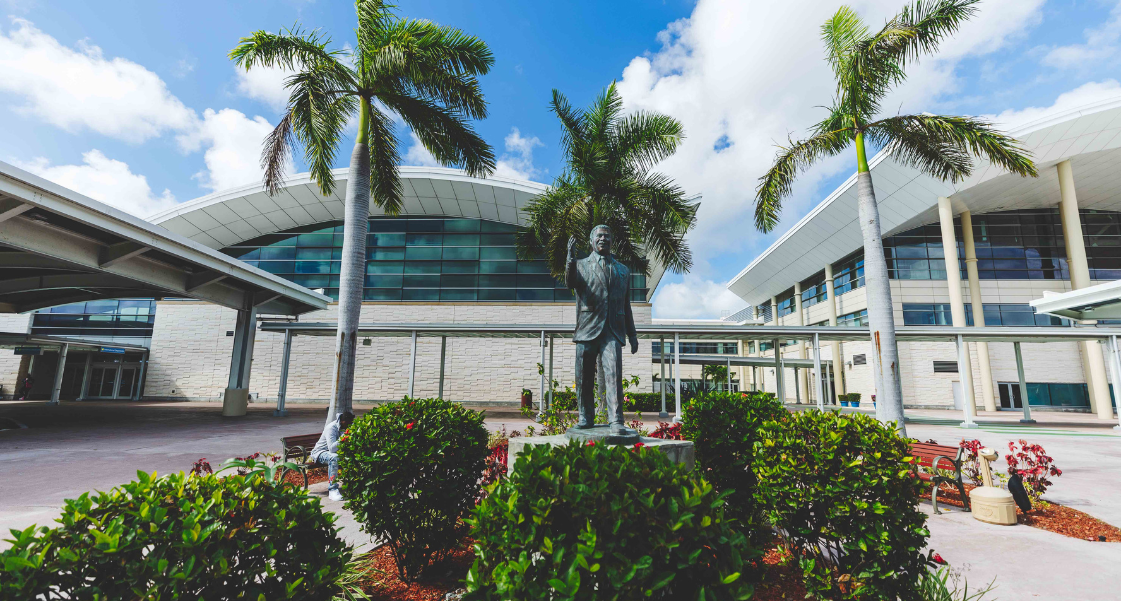
On Earth Day, Airports Council International – Latin America and the Caribbean (ACI-LAC) celebrates the growing momentum of climate action across the region’s airport industry, highlighting the achievement of Lynden Pindling International Airport (LPIA) in Nassau, which has advanced to Level 2 in the globally recognized Airport Carbon Accreditation (ACA) program.
Developed by Airports Council International (ACI), Airport Carbon Accreditation is the world’s only independent certification program that assesses and recognizes airports’ efforts to manage and reduce carbon emissions. The program includes multiple levels of certification, each requiring increasingly ambitious actions toward decarbonization.
Level 2 accreditation recognizes airports that have not only mapped their carbon footprint but have also demonstrated measurable reductions in emissions through effective carbon management.
“LPIA shows how airports can grow responsibly while leading global climate action,” said Rafael Echevarne, Director General of ACI-LAC. “On Earth Day, it is especially important to recognize airports that are taking concrete steps to reduce their environmental impact. Their progress reflects the broader momentum we are seeing across Latin America and the Caribbean.”
Vernice Walkine, President & CEO of NAD, said LPIA’s Level 2 accreditation reflects the airport’s ongoing commitment to sustainability and responsible growth.
“As we pause to celebrate Earth Day, we are reminded that sustainability must remain a top priority across all industries including aviation,” Walkine said. “Achieving Level 2 Airport Carbon Accreditation is an important milestone for LPIA and reflects our continued commitment to operating responsibly while supporting the growth of air lift in The Bahamas. We recognize that sustainability is not a one-time effort, but an ongoing part of how we operate, invest and plan for the future. Our focus is on achieving the top level and we are well on our way.”
Across the ACI-LAC region, 118 airports are currently accredited under the ACA program at different levels, underscoring the industry’s strong and growing commitment to sustainability. Among them, Salvador Bahia Airport in Brazil has achieved Level 5, the highest level of certification, while Quito International Airport and Galápagos Ecological Airport in Ecuador have reached Level 4+, positioning the region among global leaders in airport decarbonization.
LPIA’s Level 2 accreditation builds on its previous certification and reflects its ongoing efforts to implement sustainable practices and reduce its carbon footprint as part of a long-term decarbonization strategy.
“We are proud to support our members in this journey and to see the region increasingly positioned as a leader in sustainable aviation,” added Echevarne.
ACI-LAC reaffirms its commitment to supporting member airports through collaboration, advocacy, and knowledge sharing, fostering a more sustainable, resilient, and future-ready aviation sector across Latin America and the Caribbean.